
Salesforce Lightning Web Component Development
Salesforce Lightning Web Component (LWC) Development – Master the Future of Salesforce UI
Struggling to Keep Up with the Latest in Salesforce Development?
Salesforce has evolved, and Lightning Web Components (LWC) are now the future of UI development in the Salesforce ecosystem. But learning a new framework can be intimidating—especially when resources are scattered, and documentation alone isn’t enough to bridge the gap between theory and real-world application.
Many developers and Salesforce professionals still rely on Aura Components, but the industry is rapidly shifting towards LWC due to its performance, reusability, and alignment with modern web standards. If you don’t adapt, you risk being left behind in an ever-evolving job market.
But what if learning LWC was structured, practical, and easy to master—giving you a competitive edge and making you indispensable as a Salesforce professional?
This course is designed to take you from beginner to expert in Lightning Web Components, guiding you through real-world scenarios and hands-on projects.
Why This Course?
This isn’t just another theoretical course—it’s a practical, real-world training designed to help you master LWC quickly and efficiently.
-
From Ground Zero to Mastery – Whether you’re new to web development or already an expert, this course provides a structured learning path that adapts to your skill level.
-
Mini-Projects for Every Concept – Learn by doing, with real examples that reinforce your understanding of each topic.
-
Hands-On Final Project – Build a full eBike application using LWC, applying everything you’ve learned in a real-world scenario.
-
Deep Dive into Core LWC Concepts – Understand the differences between Aura and LWC, master data binding, event communication, Lightning Data Services, and more.
-
Resume-Boosting Skills – LWC is still new in the market, and mastering it gives you a competitive edge in Salesforce development.
Who Is This Course For?
-
Salesforce Developers looking to transition from Aura to LWC
-
Salesforce Admins who want to learn UI development
-
Web Developers exploring Salesforce development
-
Anyone looking to future-proof their Salesforce skills
What You’ll Learn
By the end of this course, you will:
-
Understand what Lightning Web Components are and how they differ from Aura
-
Learn how to set up Dev Hub, Scratch Orgs, and develop in LWC
-
Master data binding, properties, and event communication in LWC
-
Implement PubSub model, conditional rendering, and list rendering
-
Work with Lightning Data Services and Base Components to fetch Salesforce data
-
Utilize Navigation Services to create seamless user experiences
-
Build a real-world eBike application to showcase on your resume
Before vs. After – Your Career Transformation
Before this course, you may feel uncertain about LWC, overwhelmed by new concepts, and unsure how to apply them in real projects.
After this course, you will have a strong command over Lightning Web Components, be able to develop real-world applications, and have a resume-worthy project to showcase your expertise.
This isn’t just a course—it’s a career investment.
Are you ready to master LWC and future-proof your Salesforce career?
Enroll Now & Start Building Lightning Web Components with Confidence
Introduction to Lightning Web Components
-
Overview of Lightning Web Components: Benefits of Lightning Web Components
-
Connect with me on LinkedIn
Setting Up Development Environment
-
Setting up Development Environment: Install Salesforce CLI and Visual Studio
-
Setting Up My Domain and Enable Dev Hub in Salesforce
-
Create a Scratch Org
-
Commands to use in Visual studio
Building Lightning Web Components
-
Building our First Lightning Web Component
-
Data binding in Lightning Web Component
-
Data Binding in Lightning Web component Example 2
Rendering Components Conditionally in LWC
-
Render DOM Elements Conditionally using if:true|false directive
-
If:True|False directive in Lightning Web Components
Rendering List of Items in Lightning Web Components
-
How to Render a List of Items in Lightning Web Components?
-
How to Render a List using Iterator directive?
Building Applications In Lightning Web Components
-
Building a Simple Application: Simple Interest Calculator
-
Building a Simple Application with Lightning Web Components: Shape Calculator
Types of properties in lwc
-
What are Public Properties in LWC?
-
Salesforce Update related to LWC
-
Difference between Reactive and Non-Reactive Property in LWC?
-
How to pass Data from Parent Component to Child Component in LWC?
-
What are Boolean Properties in LWC?
Lightning Web components Lifecycle Methods
-
Component Lifecycle Hooks: Lifecycle Hooks in Lightning Web Components
Lightning Web Components Communication
-
How to call child component method from parent?
-
Custom Event Communication from Child to Parent component
-
Communicate with Events: Create and Dispatch of events
-
Communicate with Events: Create and Dispatch of events
-
Overview of Pub Sub Model in Lightning Web Component
-
Learn about Pub Sub model with help of an example
Working with Records inside Lightning Web Components
-
Different ways to access salesforce data in Lightning web components
-
How to create a Record using Lightning Data Service in Lightning web component?
-
View and Create Record using Lightning Data Service
-
Work With Records Using Base Components
-
Work with Records Using Base Components
-
Display a Record with custom layout using base component
-
How to access Salesforce Data using Base Components: lightning-record-edit-form
-
How to create a new record using lightning-record-edit-form?
-
Create and view the record using lightning-record-edit-form component
-
How to fetch Records Via Apex?
-
How to fetch records Via Apex?
Toast Notifications in Lightning Web Components
-
Using toast notifications in Lightning Web components
Navigation Service in Lightning Web Components
-
Navigation Service in Lightning Web Components
-
Navigating to Object Record Pages
-
Navigating to Account Record Recent List and Related Contact Records
-
Navigating to Web Page
-
Navigating to Home Page and Chatter Page
Test Lightning Web Components with JEST framework
-
Install npm and JTest for testing Lightning web components
-
Write Jest Tests for Lightning Web Components
Build an Application from scratch using Lightning Web Components
-
Overview of the Application
-
Adding static Resources for the application
-
Use the Source Code attached with the lectures
-
Working on our first component: ProductTileList component
-
Working on the JS file for the productTileList Component
-
Setting up targets and CSS file for productTileList component
-
Working on the 2nd component: productTile component
-
Working on the JS file for productTile Component
-
Setting up targets and CSS file for the productTile Component
-
Working on the 3rd component: productFilter component
-
Working on the JS file for productFilter component
-
Setting up targets and CSS file for the productFilter component
-
Working on the 4th component: productCard Component
-
Working on the JS file for the productCard component
-
Setting up the targets and CSS file for productFilter component
-
Working on the 5th component: placeholderComponent
-
Setting up CSS file for placeholderComponent
-
Paginator Component
-
Setting up CSS file and targets for the Paginator component
-
Product Controller Class and getProducts()
-
PagedResult class
-
Push the code changes and uploading data for our app
-
Overview of the EbikeExplorer application
REST API Callout from LWC (Lightning Web Component)
-
How to make a REST API callout from LWC?
-
Authorize an Org from Visual Studio Code
-
Lightning Web Component: Create Combobox for our application
-
Lightning Web Component: Create a Lightning button
-
Lightning Web Component: Define the handlers for the Combobox
-
Make a REST Call from Client Side Controller
-
Parse Web Service Response on the UI
-
REST API callout from Client Side Controller
-
REST API Callout from Server Side Controller
-
Test the application
Meet Your Instructor — Deepika Khanna
Hi! I’m Deepika — a Salesforce instructor, mentor, and career coach who’s helped over 200,000 students learn Salesforce through MyTutorialRack. I started just like many of my students: unsure, nervous, but determined. I believe in gentle guidance, practical steps, and celebrating every small win.
My promise to you is simple: I’ll make the complex feel friendly, I’ll be in your corner when you feel stuck, and I’ll give you a clear, kind path to becoming a certified Salesforce Admin.
200K+ students taught
10+ years teaching Salesforce
Beginner‑friendly, job‑ready projects
Trusted by global learners

🚀 Explore Our Most Popular Salesforce Courses
At MyTutorialRack, we know that Salesforce skills open doors to high-demand career opportunities. That’s why our most popular courses focus on simplifying complex topics, offering real-world scenarios, and guiding you through certification paths that matter. Learners consistently choose these programs for their clarity, structured content, and practical application. From understanding CRM fundamentals to building advanced automation and apps, these courses equip you with everything you need to succeed and grow as a Salesforce professional.
$15.00
$27.00
$15.00
$27.00
$15.00
$27.00
$15.00
$27.00
$15.00
$27.00
$15.00
$27.00
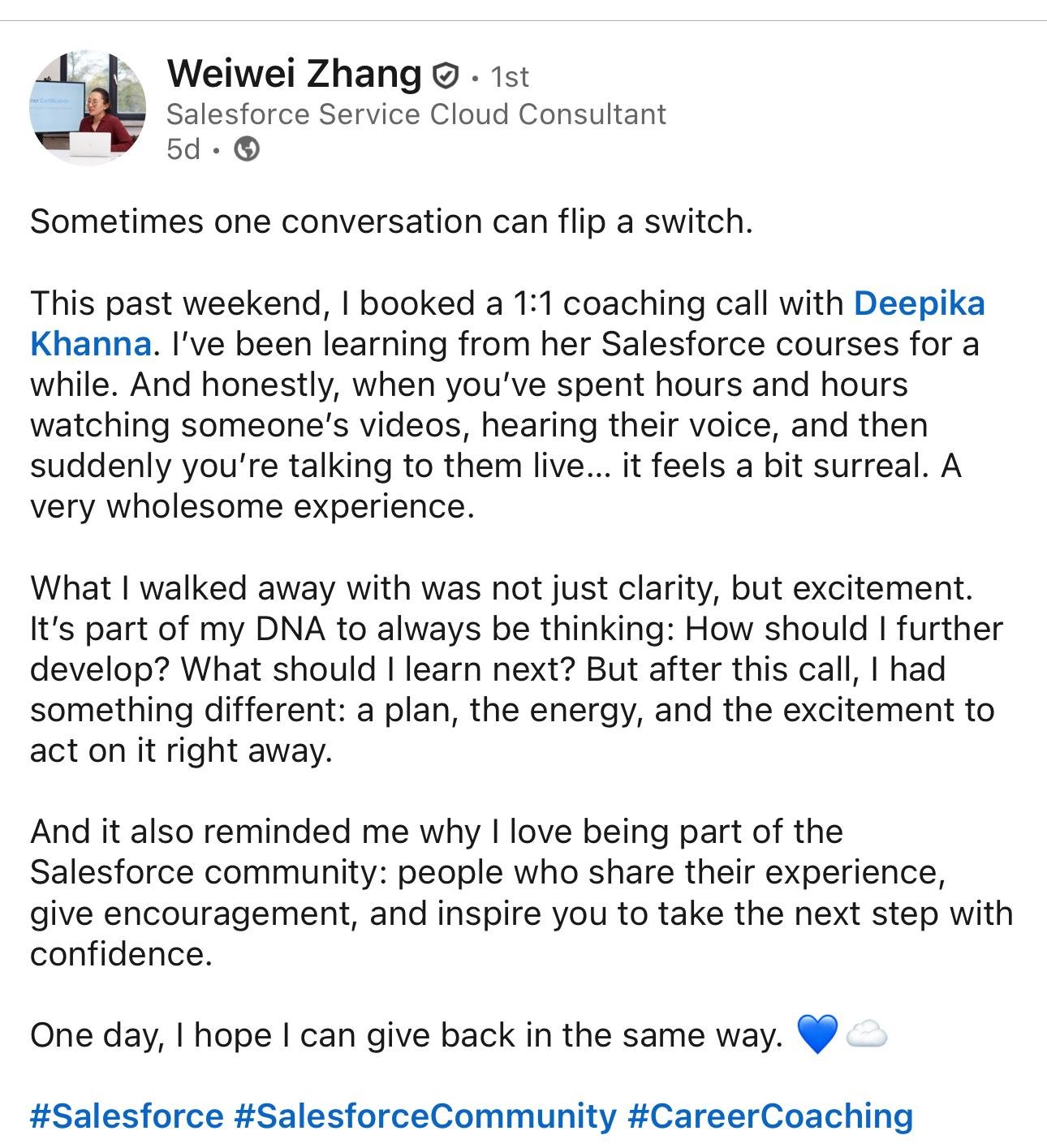
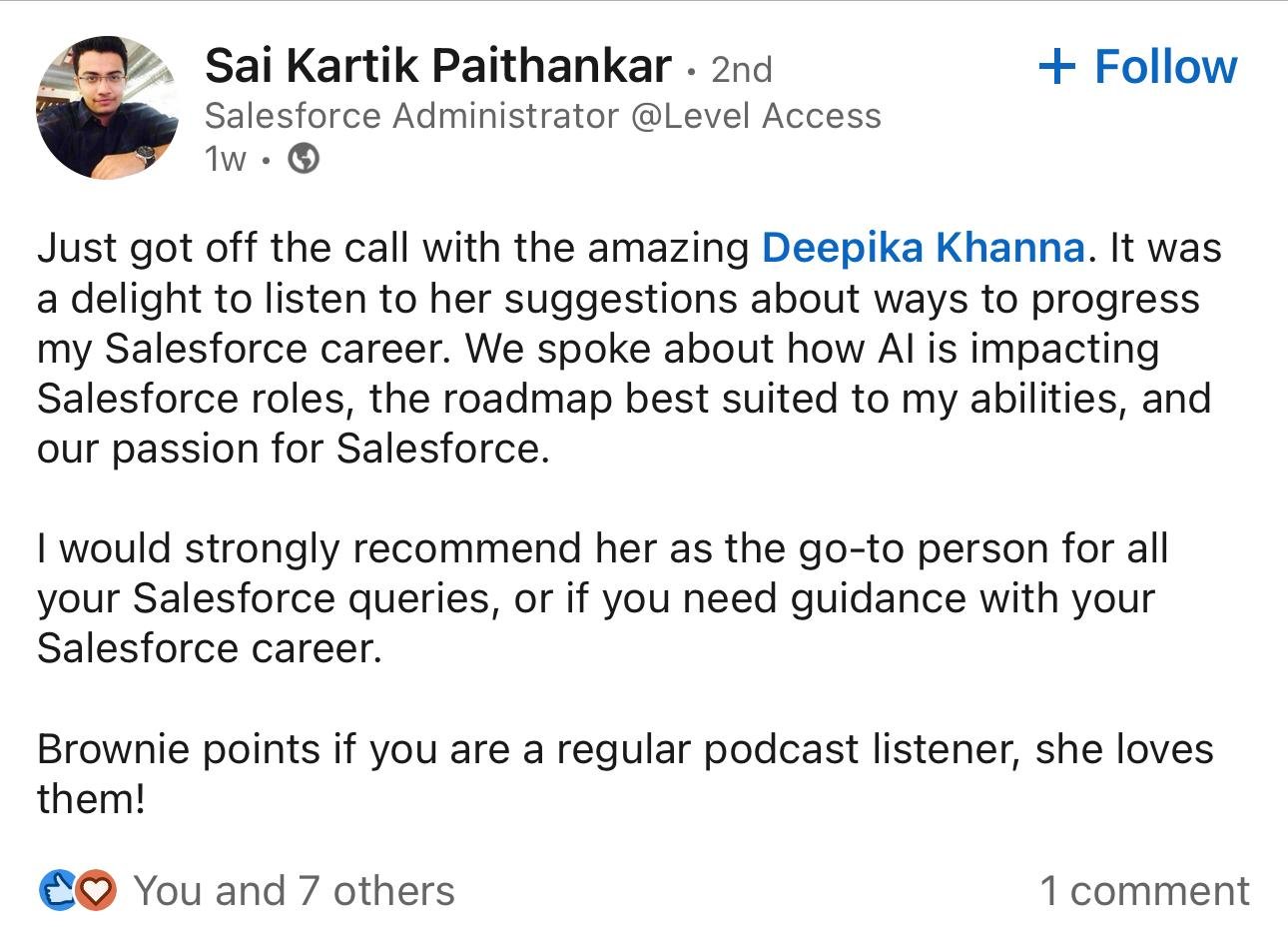
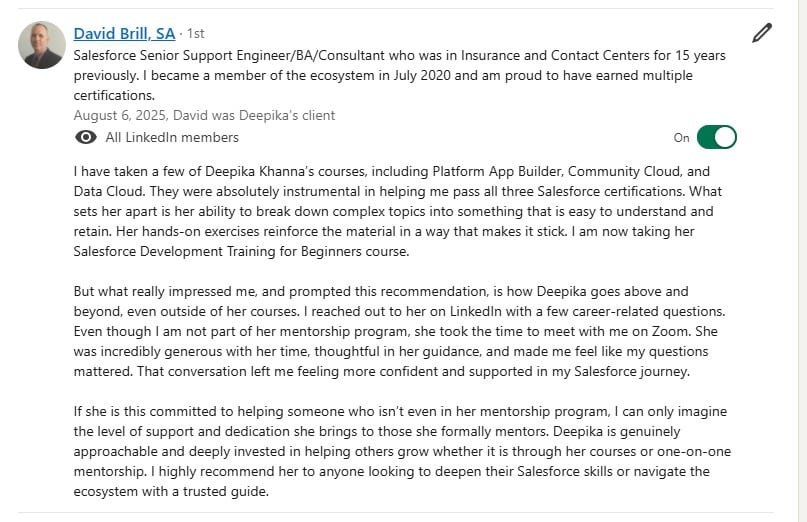
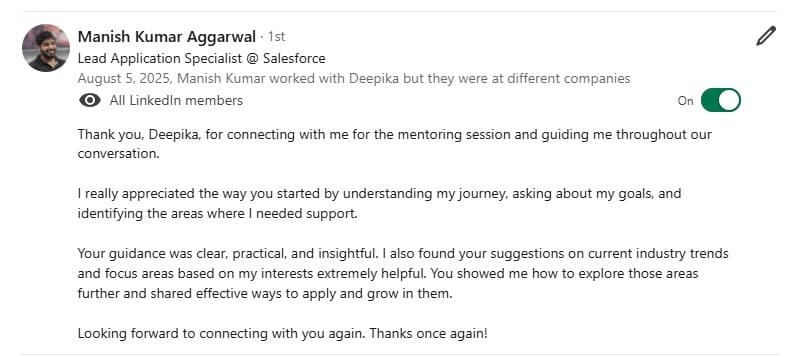
What Our Learners Say About Our Salesforce Courses?
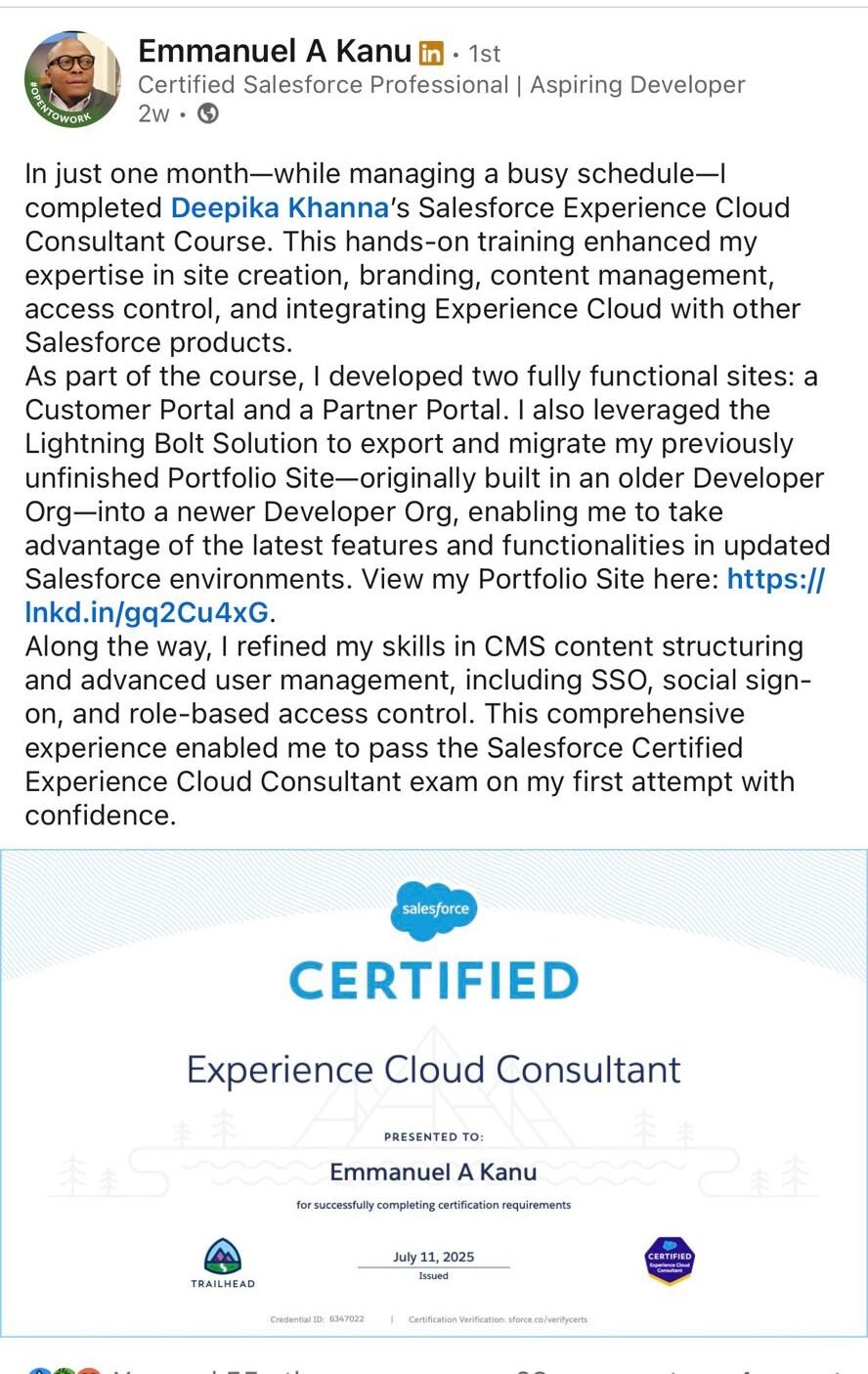
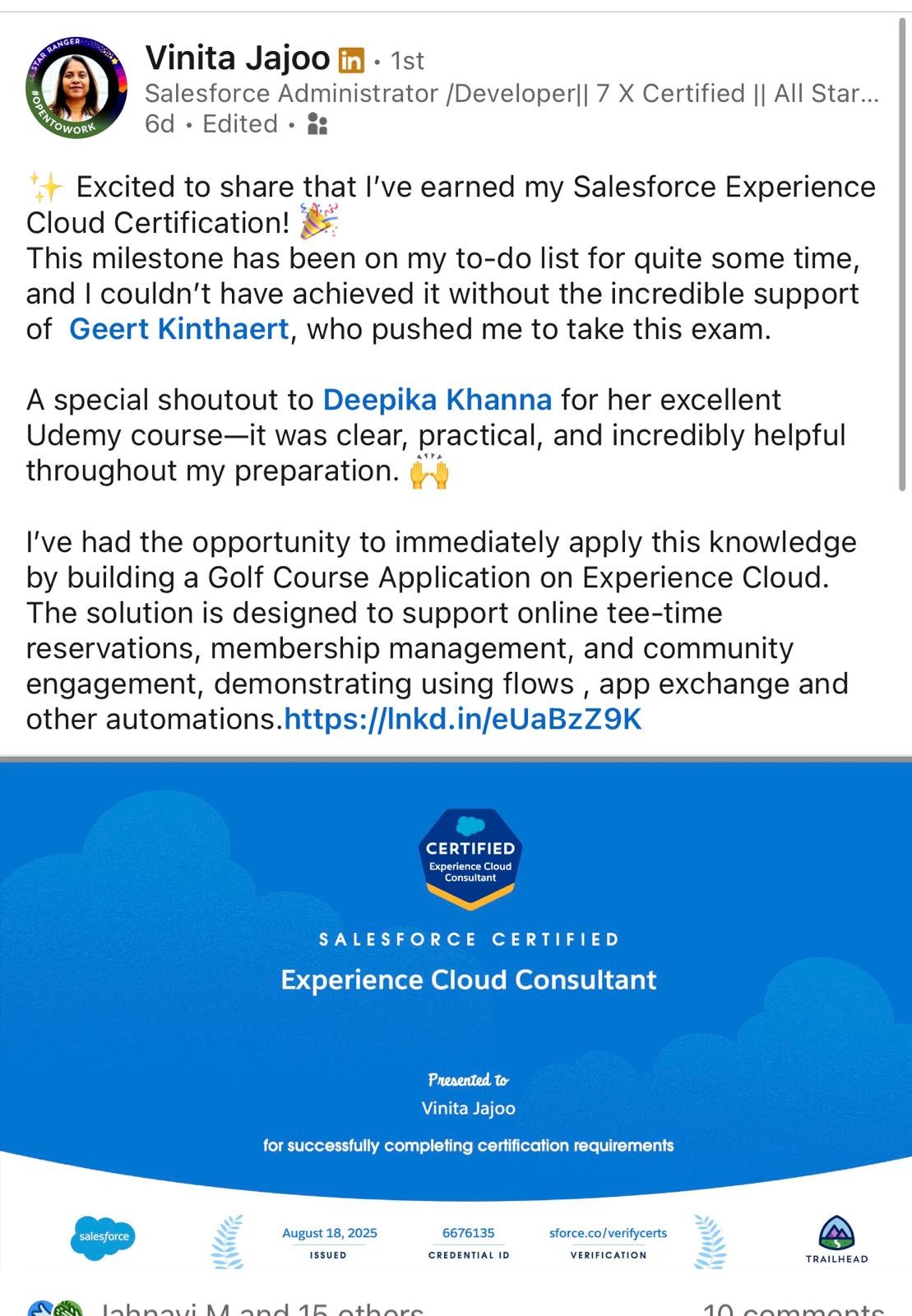
Our Salesforce courses have transformed the learning experience for thousands of professionals. Students often share how the structured curriculum, hands-on projects, and expert mentorship helped them move from theory to practice with confidence. Many highlight the clarity of instruction and the real-world case studies that mirror workplace challenges, making the training directly applicable to their daily tasks. Whether it’s securing certifications, excelling in CRM management, or advancing to higher roles, our learners testify that our Salesforce programs open doors to career growth and lasting success.
What prior knowledge do I need to take these Salesforce courses?
Our courses are designed for learners of all levels. Beginners can start with Salesforce Admin basics without prior technical experience, while those interested in development may benefit from a basic understanding of programming (such as Java or Apex). Each course includes structured content that builds from fundamentals to advanced topics.
Are these Salesforce courses suitable for non-IT professionals?
Yes. Many learners from business, sales, and marketing backgrounds enroll to gain Salesforce skills. The Admin and Cloud courses are especially beginner-friendly, helping non-IT professionals understand the platform and prepare for certifications.
Do the courses cover real-time, practical projects?
Absolutely. Our training emphasizes hands-on learning through real-world scenarios, case studies, and projects. This ensures you not only understand the concepts but also know how to apply them in professional Salesforce environments.
How are the courses different from free Salesforce resources online?
While Salesforce provides free documentation and Trailhead modules, our courses offer structured learning paths, in-depth explanations, guided mentorship, and project-based practice. This combination accelerates your learning and ensures you’re job-ready.
Will these courses prepare me for Salesforce certification exams?
Yes. Our Salesforce Admin, Developer, and Cloud courses are mapped closely to official Salesforce certification objectives. Along with detailed lessons, you’ll also receive exam tips, mock tests, and preparation strategies to boost your chances of success.
Do I receive a certificate after completing the course?
Yes. Upon successfully completing the course, you will receive a Course Completion Certificate that validates your learning. This certificate can be shared on LinkedIn, added to your resume, or used to showcase your Salesforce skills to employers.
What career opportunities can I expect after completing these Salesforce courses?
Salesforce professionals are in high demand worldwide. By completing these courses, you can pursue roles like Salesforce Administrator, Developer, Consultant, Architect, or AI Specialist. The average salary for Salesforce-certified professionals is highly competitive across industries.
Can I learn Salesforce part-time while working or studying?
Definitely. Our courses are flexible and self-paced, allowing you to learn at your convenience. You can access recorded lessons anytime and revisit modules as needed, making it ideal for working professionals and students.
Will I get access to a Salesforce practice environment?
Yes. We guide you in setting up a free Salesforce Developer Org, which gives you hands-on access to the platform. This practice environment mirrors the real Salesforce system and helps you build confidence through practical exercises.
How are Salesforce Admin, Developer, and Cloud courses different?
Admin courses focus on managing users, security, workflows, and system configuration.
Developer courses emphasize coding with Apex, Visualforce, and Lightning Web Components.
Cloud and AI-related courses cover Salesforce Sales Cloud, Service Cloud, Marketing Cloud, and Einstein AI.
Depending on your career path, you can choose one or combine them for a complete skill set.
Do I get support after course completion?
Yes. We offer continuous learning support even after you finish your course. This includes Q&A forums, updated study materials, and guidance for certifications or job preparation. You’ll also become part of a community of Salesforce learners and professionals.
What types of support are available during and after the course?
We provide multiple channels of support to ensure your success:
Email Support for detailed queries.
WhatsApp Support for quick clarifications.
Live Chat Support for instant help while learning.
1-on-1 Consultation sessions with mentors for personalized guidance.
Whether you need technical assistance, exam preparation help, or career guidance, we’re here to support you at every step.
