
Salesforce Development Training for Beginners
Master APEX Programming from Scratch – No Coding Experience Required!
Struggling to Break Into Salesforce Development?
-
You want to become a Salesforce Developer, but you have no programming experience.
-
APEX feels intimidating—like a language only coders understand.
-
You’ve tried online tutorials, but they assume you already know how to code.
The Problem? Most courses don’t teach APEX for complete beginners. They rush through concepts, leaving you frustrated and lost.
The Solution? This course is designed specifically for non-programmers. We start from the absolute basics and guide you step by step to mastering APEX, ensuring you build real skills with confidence.
Why This Course?
Salesforce Developers earn an average of $120,000+ per year. But how do you get started if you’ve never coded before?
In this course, APEX programming is broken down into simple, easy-to-understand lessons. No tech jargon. No prior experience needed.
Imagine writing your first APEX trigger, automating Salesforce processes, and building apps with confidence—without feeling overwhelmed.
Enroll now and start coding in APEX today.
Before & After – The Transformation You’ll Experience
Before: You’re stuck, confused, and overwhelmed by APEX.
After: You confidently write, debug, and deploy APEX code like a pro.
-
Hands-on coding exercises
-
Real-world Salesforce development projects
-
Simple explanations for complex concepts
By the end of this course, you won’t just understand APEX—you’ll be ready to apply for Salesforce Developer roles.
What You’ll Learn Inside:
-
Introduction to APEX – Understand how it fits into Salesforce
-
APEX Syntax – Learn step-by-step without prior coding experience
-
Triggers & Automations – Write powerful logic to automate Salesforce
-
SOQL & DML – Retrieve and manipulate data effortlessly
-
Real-World Projects – Apply your skills with hands-on practice
Bonus: Exclusive resources, coding exercises, and support from an experienced instructor.
Who Is This Course For?
-
Complete beginners with no programming experience
-
Salesforce Admins looking to transition into development
-
Anyone who wants a high-paying career as a Salesforce Developer
Start Your Salesforce Developer Journey Today
-
No fluff. No confusing jargon. Just a clear roadmap to learning APEX.
-
From total beginner to confident Salesforce Developer—step by step.
This is your opportunity to gain a skill that’s in high demand. Enroll now and take the first step toward your dream career.
Introduction to programming
-
Connect with me on LinkedIn
-
What is Apex in Salesforce?
-
Apex Syntax: How to better understand the Apex Syntax and Logic in Salesforce?
-
Setting up Developer Account and walk-through of Developer console
Variables in apex
-
What are Variables and how to declare variables in Apex?
-
Variable Declaration: Using variables to store 3 numbers and adding them
-
Variable Declaration: Using Variables to calculate Simple Interest
Primitive data types in apex
-
Data Types in Apex: Learn about data types and what are the different data types
-
Primitive Data Type in Salesforce: Data Class in Apex and its methods
-
Primitive Data Type in Apex: Time Class In Salesforce and its methods
-
Primitive Data Type: Datetime Class in Salesforce and its methods
-
Datetime Class with Example
-
String data Type in Apex: String Class and its methods in Apex
-
String Data Type in Apex: Learn about String methods with Example
-
String Class and its methods with Example
-
Assignment on Variables
Operators in Apex
-
Overview of Operators in Apex: What are the different Operators in Apex
-
What are different operators in Apex? Learn with help of examples
Conditional (If-Else) Statements
-
Conditional If- Else statements in Apex
-
If Else statement in Apex with Example
-
If Else statement in Apex with Example 2
-
If-Else-If statement in Apex: Learn about if else if ladder
-
If else if statement in Apex with Example
-
if Else If statement in Apex with Example 2
-
if Else If statement in Apex with Example 3
-
if Else If statement in Apex with Example
Switch Statements in Apex
-
Overview of Switch Statements in Apex
-
Switch Statement with example
-
Switch Statement in Salesforce with example
-
Salesforce Switch Statements: Learn about Switch Statements in Apex
-
Difference between Expressions and statements: What are expressions &Statements?
Loops in Apex
-
What are Loops in Apex? Different types of Loops in Apex
-
While Loop in Apex With example
-
For loop in Apex with example
-
For Loop in Salesforce with the help of an example
-
For Loop in Apex with Example
-
What is an Infinite Loop in Apex? How to avoid infinite loops in apex?
-
Different types of for Loop in Apex
-
Break and Continue Statements in Loops: Difference between break and Continue
-
Assignment on If else
-
Nested for loop in salesforce
-
How a nested loop works?
-
Nested for loop with example
-
Assignment on Loops
Object Oriented Concepts in APEX
-
What Is a Class and Object in Apex?
-
What is a Class and Object with Example
-
Quiz 1
-
Classes and Objects
-
Static and Non Static Method
-
Static and Non-static variable
-
Access Modifiers in Apex
-
Quiz 3
-
Constructors in Apex
-
Inheritance in Apex
-
Quiz 4
Collections in Apex (List, Set and Map)
-
Collection (List ,Set and Map)
-
Collections in Salesforce : List, Set and Map
-
List methods in salesforce apex
-
Difference between set() and add() method of List
-
How to debug incompatible collection type error?
-
Sorting a list in apex salesforce
-
Set and Map in salesforce
-
Iterate over a set in salesforce: clear() method
-
Map in salesforce with example
-
Adding values to a map in salesforce
-
Can you put a list inside of a Map?
-
Collection: List, Set and Map
-
Quiz 2
SObjects in Salesforce
-
SObject in salesforce: What is an Sobject?
SOSL and SOQL queries in Salesforce
-
Difference between SOSL and SOQL ?
-
How to write SOSL and SOQL queries in Salesforce?
Exceptions in Salesforce
-
Exceptions in Salesforce
-
How to handle exceptions in Salesforce with example?
-
Try-catch statement in Salesforce
-
Built in exceptions in Salesforce: What is List exception and how to handle it?
-
Built in exceptions in Salesforce: Null Pointer exception
-
Query Exception in Salesforce and how to handle it?
-
SObject Exception in Salesforce and how to handle it using try-catch block?
-
Exception methods in Salesforce
-
Exception class methods with example
-
Dml exception methods in salesforce
-
Dml exception methods in practice
-
Methods related to DML exceptions
-
Try with multiple catch and finally block
-
Try with Multiple catch block
-
Custom Exceptions in salesforce: How to create custom exceptions and throw them?
Advance APEX
-
DML : Insert and Update
-
Delete and Undelete DML operation
Triggers in Salesforce
-
What are Triggers?
-
Trigger to update the description on Contact object before inserting a Record
-
Update the description field on Contact object .
-
Insert and Update Trigger
-
Upsert (Update and Insert at the same time)
-
Throw Error when User tries to delete the contact without Account
-
Trigger.New with Example
00:00 -
Trigger.Old with Example
00:00 -
Difference between Trigger.New and Trigger.old Context variables
Apex Transactions in Salesforce
-
Apex transaction in salesforce: Salesforce transaction management
-
Apex transaction with example: Transaction control in Salesforce
00:00 -
Batch apex in salesforce: What are the methods in batch apex ?
00:00 -
How to process more than 50000 records in Salesforce?
-
Stateful and Stateless in Batch Apex
Salesforce Web Services
-
Salesforce Web Services: REST and SOAP webservices
Apex REST Methods
-
Rest web services in salesforce
-
APEX REST methods
00:00 -
Apex Rest Methods Part 2
00:00
Apex Test Classes
-
Apex Unit test: why do we need test classes in salesforce?
-
How to write test classes in Apex Salesforce?
-
Apex Test Class Example
-
How to increase code coverage in salesforce?
-
Code coverage from one sandbox to another
-
Trigger events in salesforce
-
Best practices in salesforce development
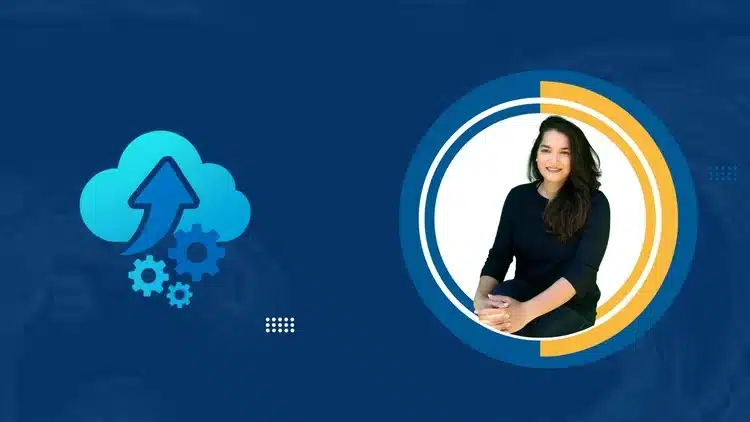
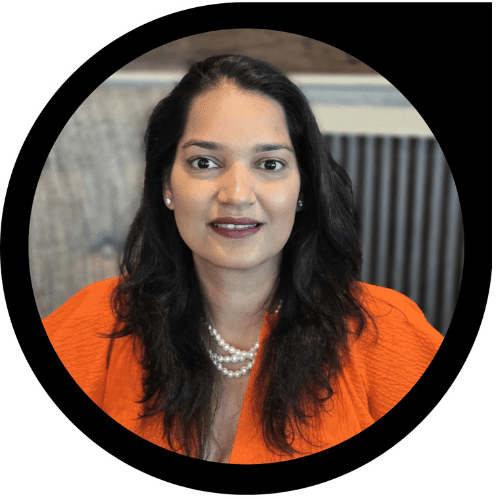
Meet Your Instructor — Deepika Khanna
Hi! I’m Deepika — a Salesforce instructor, mentor, and career coach who’s helped over 200,000 students learn Salesforce through MyTutorialRack and Udemy. I started just like many of my students: unsure, nervous, but determined. I believe in gentle guidance, practical steps, and celebrating every small win.
My promise to you is simple: I’ll make the complex feel friendly, I’ll be in your corner when you feel stuck, and I’ll give you a clear, kind path to becoming a certified Salesforce Admin.
200K+ students taught
10+ years teaching Salesforce
Beginner‑friendly, job‑ready projects
Trusted by global learners
🚀 Explore Our Most Popular Salesforce Courses
At My Tutorial Rack, we know that Salesforce skills open doors to high-demand career opportunities. That’s why our most popular courses focus on simplifying complex topics, offering real-world scenarios, and guiding you through certification paths that matter. Learners consistently choose these programs for their clarity, structured content, and practical application. From understanding CRM fundamentals to building advanced automation and apps, these courses equip you with everything you need to succeed and grow as a Salesforce professional.
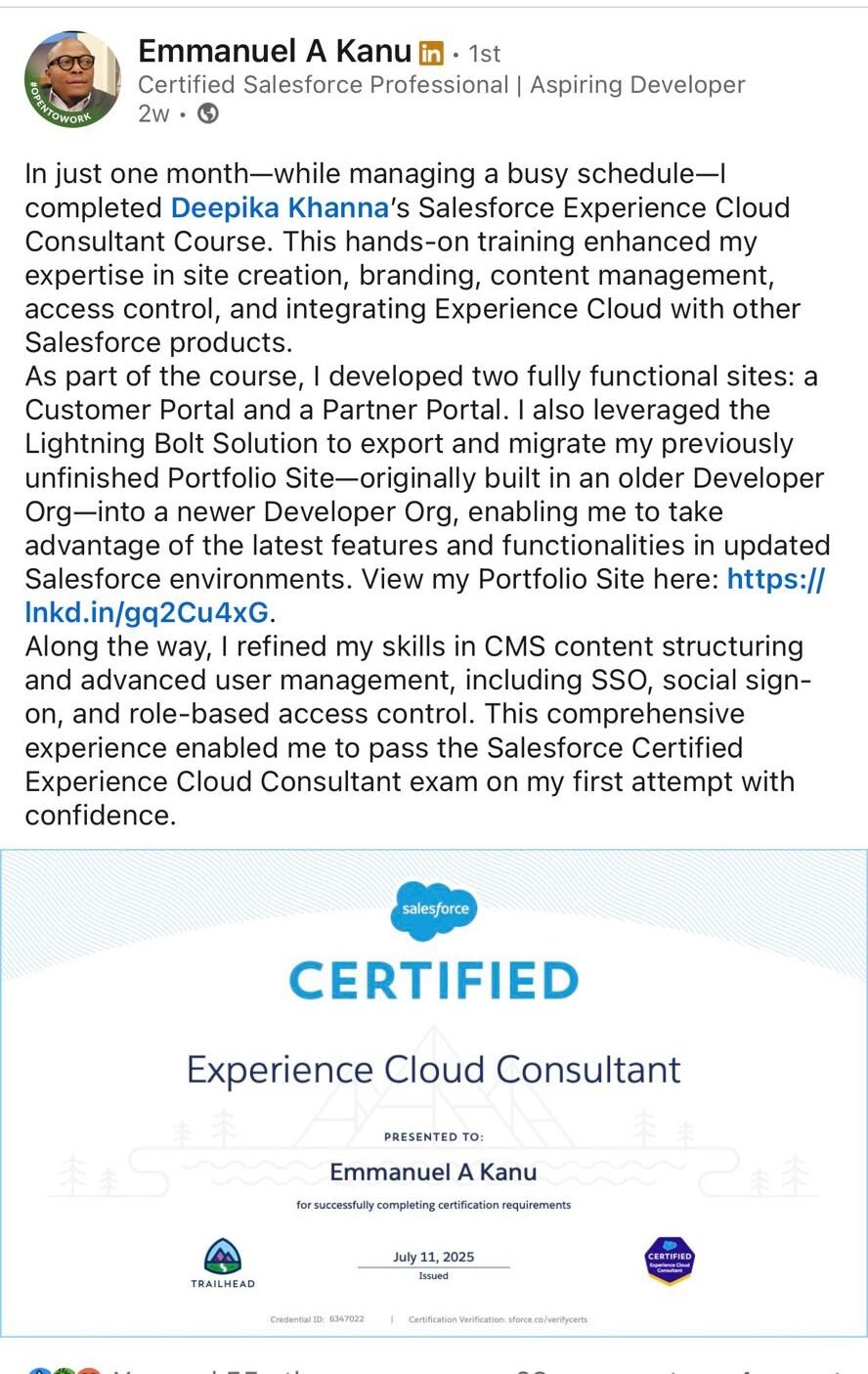
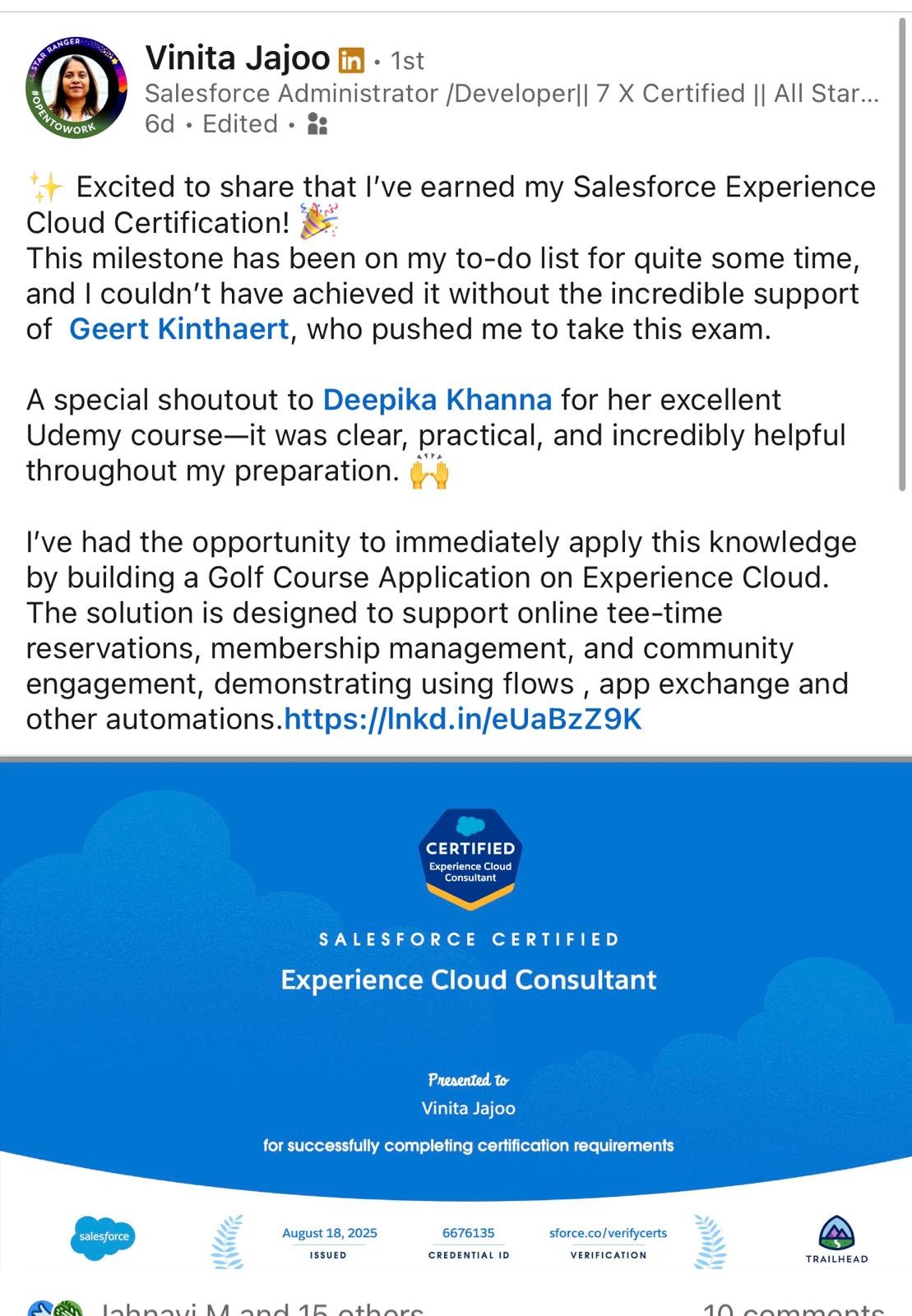
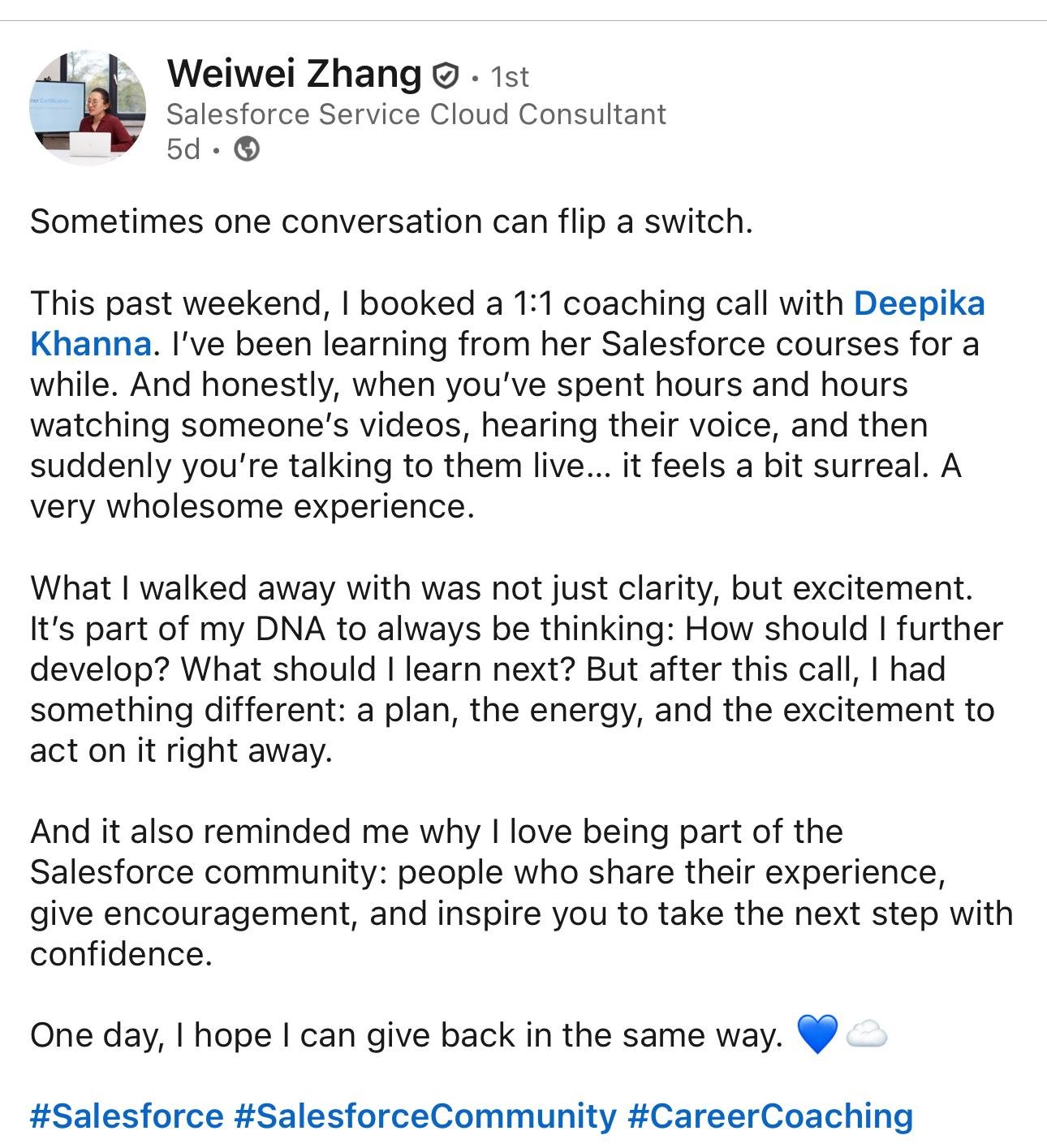
What Our Learners Say About Our Salesforce Courses?
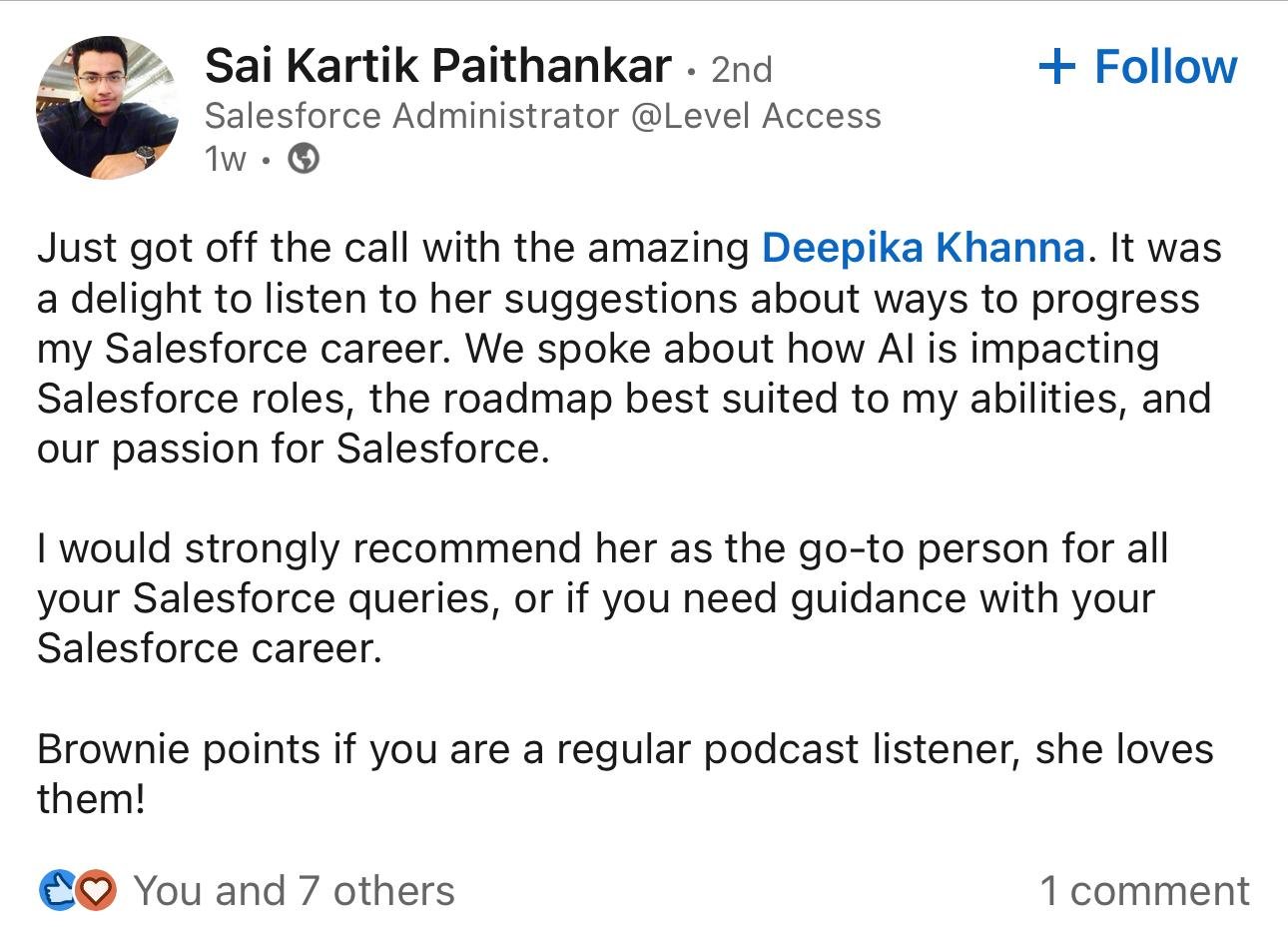
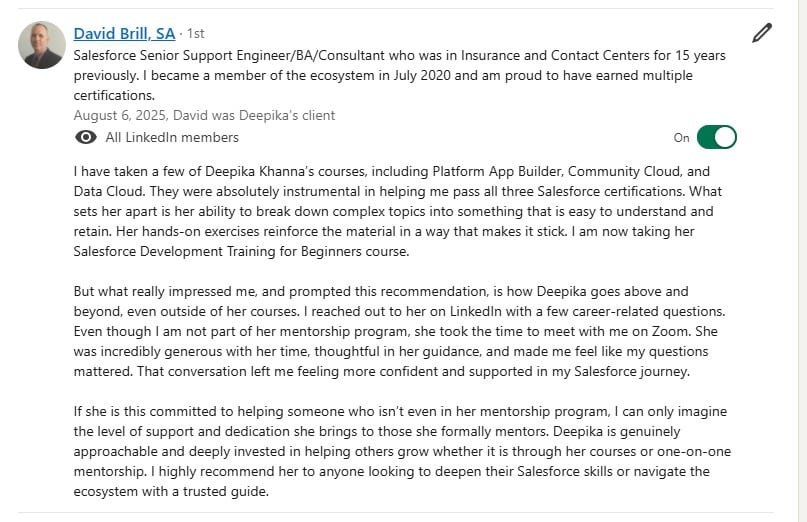
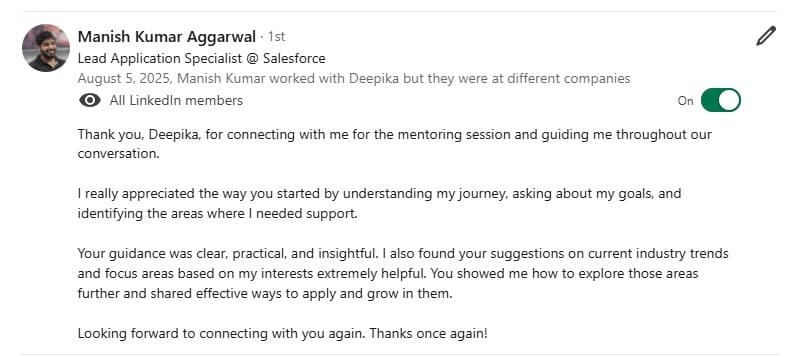
Our Salesforce courses have transformed the learning experience for thousands of professionals. Students often share how the structured curriculum, hands-on projects, and expert mentorship helped them move from theory to practice with confidence. Many highlight the clarity of instruction and the real-world case studies that mirror workplace challenges, making the training directly applicable to their daily tasks. Whether it’s securing certifications, excelling in CRM management, or advancing to higher roles, our learners testify that our Salesforce programs open doors to career growth and lasting success.
What prior knowledge do I need to take these Salesforce courses?
Our courses are designed for learners of all levels. Beginners can start with Salesforce Admin basics without prior technical experience, while those interested in development may benefit from a basic understanding of programming (such as Java or Apex). Each course includes structured content that builds from fundamentals to advanced topics.
Are these Salesforce courses suitable for non-IT professionals?
Yes. Many learners from business, sales, and marketing backgrounds enroll to gain Salesforce skills. The Admin and Cloud courses are especially beginner-friendly, helping non-IT professionals understand the platform and prepare for certifications.
Do the courses cover real-time, practical projects?
Absolutely. Our training emphasizes hands-on learning through real-world scenarios, case studies, and projects. This ensures you not only understand the concepts but also know how to apply them in professional Salesforce environments.
How are the courses different from free Salesforce resources online?
While Salesforce provides free documentation and Trailhead modules, our courses offer structured learning paths, in-depth explanations, guided mentorship, and project-based practice. This combination accelerates your learning and ensures you’re job-ready.
Will these courses prepare me for Salesforce certification exams?
Yes. Our Salesforce Admin, Developer, and Cloud courses are mapped closely to official Salesforce certification objectives. Along with detailed lessons, you’ll also receive exam tips, mock tests, and preparation strategies to boost your chances of success.
Do I receive a certificate after completing the course?
Yes. Upon successfully completing the course, you will receive a Course Completion Certificate that validates your learning. This certificate can be shared on LinkedIn, added to your resume, or used to showcase your Salesforce skills to employers.
What career opportunities can I expect after completing these Salesforce courses?
Salesforce professionals are in high demand worldwide. By completing these courses, you can pursue roles like Salesforce Administrator, Developer, Consultant, Architect, or AI Specialist. The average salary for Salesforce-certified professionals is highly competitive across industries.
Can I learn Salesforce part-time while working or studying?
Definitely. Our courses are flexible and self-paced, allowing you to learn at your convenience. You can access recorded lessons anytime and revisit modules as needed, making it ideal for working professionals and students.
Will I get access to a Salesforce practice environment?
Yes. We guide you in setting up a free Salesforce Developer Org, which gives you hands-on access to the platform. This practice environment mirrors the real Salesforce system and helps you build confidence through practical exercises.
How are Salesforce Admin, Developer, and Cloud courses different?
Admin courses focus on managing users, security, workflows, and system configuration.
Developer courses emphasize coding with Apex, Visualforce, and Lightning Web Components.
Cloud and AI-related courses cover Salesforce Sales Cloud, Service Cloud, Marketing Cloud, and Einstein AI.
Depending on your career path, you can choose one or combine them for a complete skill set.
Do I get support after course completion?
Yes. We offer continuous learning support even after you finish your course. This includes Q&A forums, updated study materials, and guidance for certifications or job preparation. You’ll also become part of a community of Salesforce learners and professionals.
What types of support are available during and after the course?
We provide multiple channels of support to ensure your success:
Email Support for detailed queries.
WhatsApp Support for quick clarifications.
Live Chat Support for instant help while learning.
1-on-1 Consultation sessions with mentors for personalized guidance.
Whether you need technical assistance, exam preparation help, or career guidance, we’re here to support you at every step.
